High Oxalate Foods on Keto: The Swaps Most Low Carb Diets Get Wrong
If you're doing keto or low carb and leaning on spinach, almonds, and sweet potatoes to fill out your plate, you need to know what's actually in those foods beyond carbs and fat grams.
Sally Norton spent years studying oxalates after her own plant heavy diet left her with joint pain and fatigue no doctor could explain. Oxalates are natural compounds found in plants, and for a lot of people they build up faster than the body can clear them. That buildup forms sharp crystals that settle into kidneys, joints, and soft tissue, where they trigger inflammation and pain. Doctors rarely test for it, so the connection gets missed and the pain gets labeled as arthritis, fibromyalgia, or chronic fatigue instead.
Here's the part that catches people off guard. The foods showing up most often in keto meal plans, the ones marketed as the smart low carb choice, are some of the worst oxalate offenders out there. Most people do fine staying under 50 milligrams of oxalate a day. A single serving of the wrong food can blow past that in one bite.
Spinach
Spinach is a keto staple, raw in salads, blended into smoothies, wilted into eggs. One cup of raw spinach carries somewhere around 600 to 700 milligrams of oxalate. That's more than ten times the daily amount most people can handle, from one cup, once.
Romaine and iceberg sit at under 1 milligram per cup. Kale runs 2 to 7 milligrams. Arugula runs 2 to 5. Any of these give you the same crunch and the same green on your plate without the oxalate load.
Almonds and almond flour
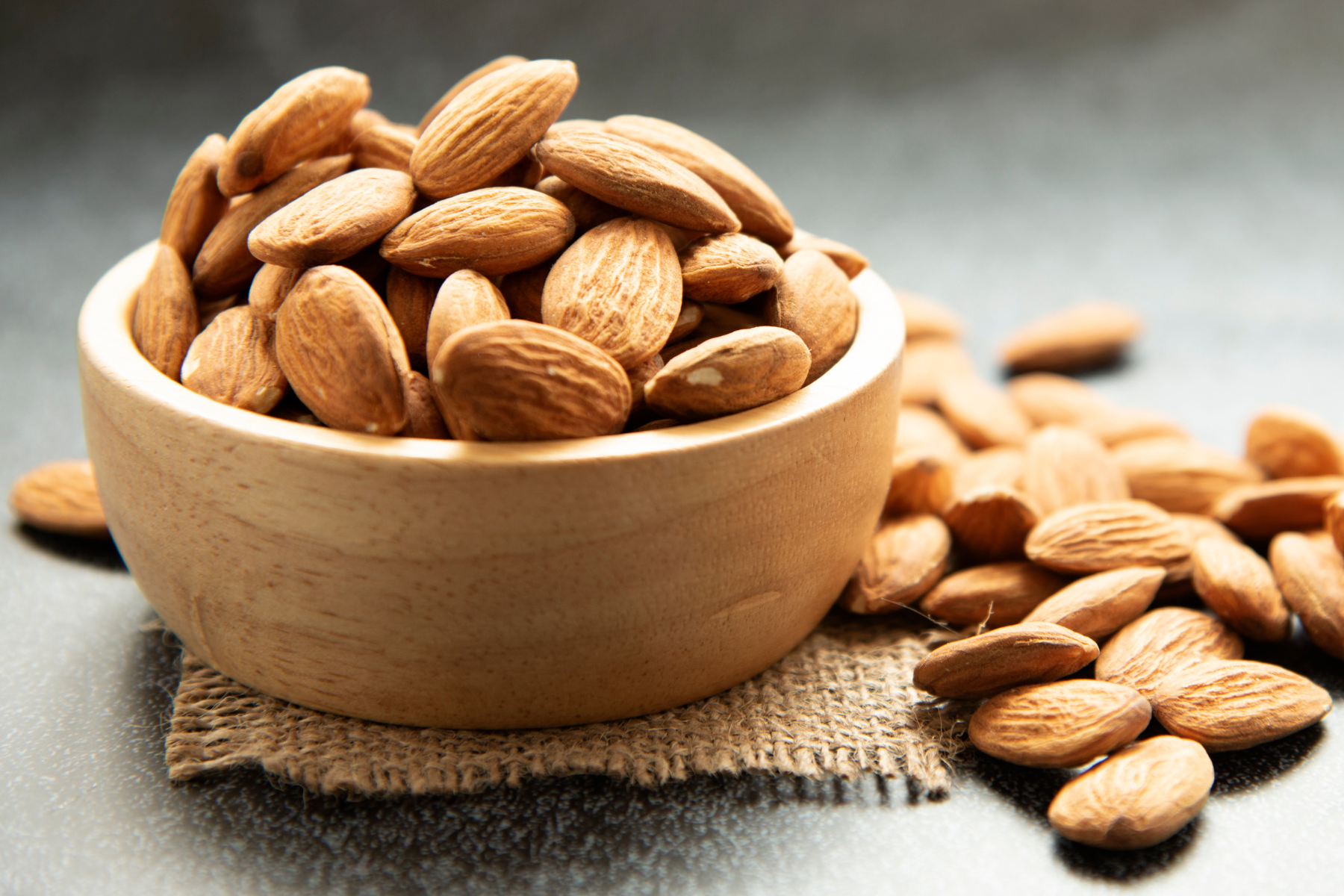
Almonds are everywhere on keto. Almond butter, almond milk, almond flour standing in for every grain you used to eat. An ounce of almonds, about 23 nuts, carries 120 to 130 milligrams of oxalate. That's nearly triple the daily limit in a small handful, and almond flour concentrates it further since it's ground from a much larger volume of nuts.
Walnuts and pecans run around 10 milligrams an ounce. Macadamias run closer to 5. Coconut flour runs 5 to 8 milligrams per quarter cup. Any of these cut your oxalate load by over 90 percent compared to almonds.
Sweet potatoes
Sweet potatoes get treated as the "healthy carb" on a lot of keto and low carb plans. Half a cup baked carries 65 to 70 milligrams of oxalate, which already clears the daily limit on its own.
Butternut squash runs 5 to 10 milligrams per half cup. Zucchini runs 2 to 5. Cauliflower runs 1 to 3. Cauliflower mash in particular does the same job as a sweet potato side without the oxalate hit.
Beets
Beets show up constantly in juices and salads for their color and their nutrient profile. Half a cup boiled carries around 75 milligrams of oxalate, well past the daily limit in one serving.
Carrots run 2 to 5 milligrams per half cup. Turnips run 4 to 7. Parsnips run closer to 10. All three roast the same way beets do and give you a similar texture without the load.
Dark chocolate
Dark chocolate gets recommended constantly for antioxidants, which makes it an easy blind spot. One ounce of 70 to 85 percent dark chocolate carries 80 to 120 milligrams of oxalate, more than double the daily limit in a single piece.
Milk chocolate runs 15 to 20 milligrams an ounce. White chocolate runs close to zero. Carob runs 5 to 10. None of these are health foods either, but if chocolate is a fixture in your routine, they carry a fraction of the oxalate cost.
Chia and flax seeds
Chia and flax get added to smoothies and puddings as a fiber and omega-3 boost. One ounce of chia carries 80 to 90 milligrams of oxalate. Flax runs 50 to 60. Both clear the daily limit fast for something that gets sprinkled on everything without a second thought.
Hemp seeds run about 2 milligrams an ounce. Pumpkin seeds run around 10. Both give you protein and minerals without the oxalate cost.
Why this matters more than carb counting alone
A keto or low carb plate built around spinach, almonds, sweet potatoes, and chia can carry a heavier oxalate load than a standard diet most people are warned about. The carb count looks clean. The oxalate count tells a different story. If you're tracking carbs and ignoring this, you're solving one problem while building another.
If you're already dealing with joint pain, fatigue, or kidney stones and you eat several of these foods regularly, that pattern is worth taking seriously, not brushing off as bad luck or getting older.
None of this is a concern if you eat the way I eat now. Carnivore removes the entire question, since there's no plant matter on the plate to carry oxalate in the first place. For anyone not ready to go that far, knowing which plants are loading you up and which ones aren't is the next best thing you can do for your body.
Frequently Asked Questions
What is the safest daily oxalate limit?
Most people do best staying under 50 milligrams of oxalate per day. People managing kidney stones or oxalate sensitivity are often advised to stay even lower.
Which keto-friendly foods are highest in oxalate?
Spinach, almonds, sweet potatoes, beets, dark chocolate, and chia seeds are among the highest oxalate foods commonly eaten on keto and low carb diets.
Can I still eat spinach or almonds occasionally?
Awareness matters more than perfection. Knowing the oxalate load lets you decide how often these foods make sense for your body, rather than eating them daily without knowing what they're contributing.
Does carnivore eliminate the oxalate problem?
Yes. Oxalates are found in plants, not animal foods. A carnivore diet removes oxalate intake from food entirely.
References
Restorative Medicine Center. "The Hidden Risks of High-Oxalate Foods." restorativemedcenter.com
Oxalosis and Hyperoxaluria Foundation. "Low-Oxalate Diet: The Complete Guide With Food Lists." ohf.org
Sally K. Norton. "Toxic Superfoods."
This article is for informational purposes only and does not replace medical advice. Talk to your doctor before making significant changes to your diet, especially if you have a history of kidney stones or kidney disease.