Protein Powders and the Low-Carb Lifestyle: What You Need to Know Before You Buy
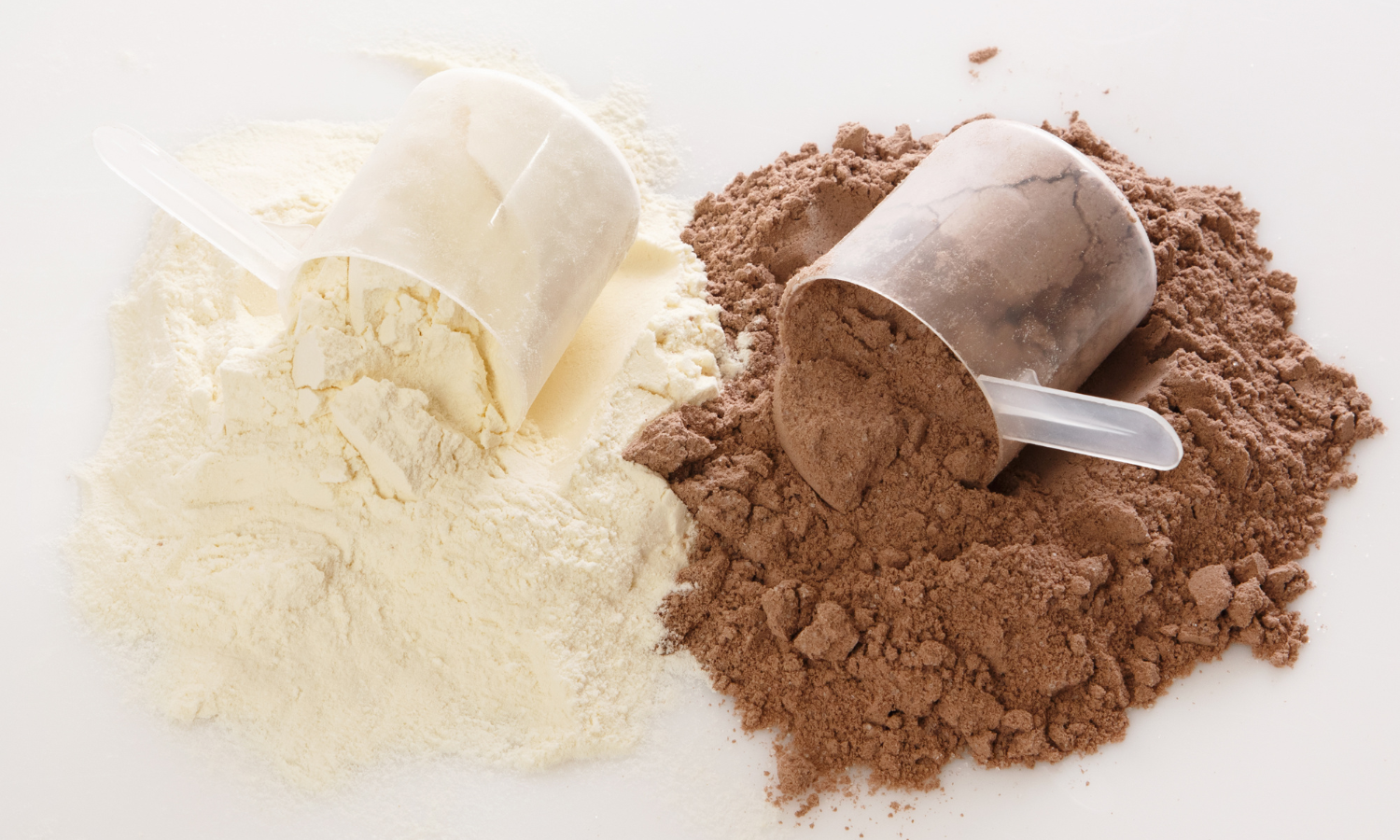
Food is always the first answer. If you eat enough meat, eggs, and fish, your body gets the protein it needs in a form it recognizes and absorbs without effort. That is the position I hold, and nothing in this article changes it.
But people lead full lives. Some are training hard. Some are managing a demanding schedule and struggling to hit their protein targets through food alone. If you are in that situation and you are looking at protein powders, the question is not just whether you need one. It is whether the one you are considering is actually doing what it claims.
Most are not.
What Most Protein Powders Are Actually Selling You
Walk into any health food store or scroll through any fitness website and you will find an enormous market built on the idea that protein powder is essential. It is not. The supplement industry generates billions of dollars selling products to people who are already eating enough protein, or who could be, if they understood how to eat.
That said, the market exists, people use these products, and some are genuinely better than others. Understanding why requires looking at how protein actually works in the body.
The Problem with Plant-Based Protein Powders
Plant-based protein powders have become the fashionable choice. Pea protein, rice protein, hemp protein, soy protein. They are marketed as clean, sustainable, and complete. The reality is more complicated.
The first issue is amino acid profile. Leucine content in plant proteins ranges from as low as 5.1% for hemp to 13.5% for corn, compared to 9.0% for milk, 7.0% for egg, and 7.6% for muscle protein. Methionine and lysine are also typically lower in plant-based proteins than in animal-based proteins. This matters because leucine is the amino acid that triggers muscle protein synthesis. Plant-based protein supplements often contain lower amounts of leucine and other essential amino acids, potentially making them less effective in stimulating muscle protein synthesis than animal-based proteins.
To put that in practical terms, between 20 and 54 grams of plant-based protein would need to be consumed to deliver the same 2.7 grams of leucine provided by 25 grams of whey protein, which is the amount research has shown stimulates muscle protein synthesis in humans. That is a significant gap.
The second issue is bioavailability. Your body cannot use protein it cannot absorb. Plant-based proteins often have lower overall protein quality compared to animal-based sources. The digestibility and bioavailability of plant proteins can be lower due to the presence of anti-nutritional factors, such as phytates and protease inhibitors, which can inhibit protein absorption. In practical terms, you are getting less usable protein per serving than the label suggests.
Phytates are compounds found in the outer layers of grains, seeds, and legumes. Phytates bind to minerals like zinc, iron, calcium, and magnesium, reducing their bioavailability. Lectins, also found in many plant foods, can cause gastrointestinal distress by binding to the lining of the digestive tract and potentially impairing nutrient absorption.
Clinical studies have shown that amino acid absorption and the increase in blood amino acid concentrations were slower after plant protein-based meals compared with animal-based meals.
The third issue is contamination. This one tends to get less attention, but it is worth knowing. Plant-based protein powders consistently contain more heavy metals than animal-based options. A 2025 Consumer Reports analysis found that plant-derived products showed nine times the lead found in whey protein. Rice, pea, and hemp proteins carry the highest contamination risk, while pure whey isolates rank among the cleanest options available.
Some rice, pea, and soy protein powders have been found to contain five times more cadmium than whey protein powders. This happens because plants absorb what is in the soil, and when that plant material is concentrated into a powder, any heavy metals present become concentrated too.
None of this means plant-based protein powders are dangerous in moderate use. But if you are consuming a protein supplement daily, the source matters more than most people realize.
What Happens to Insulin When You Take a Protein Powder
For anyone eating low-carb or ketogenic, this is the part that deserves real attention. Many people assume that because a protein powder is low in carbohydrates, it will not affect insulin. That is not always accurate.
Research has shown that whey protein stimulated a greater insulin response than white bread, a refined carbohydrate source. In controlled studies comparing whey protein, white bread, and pure glucose, whey protein consistently produced the largest insulin spike. This happens even without a significant rise in blood glucose, because insulin responds to amino acids directly.
In a comparison of four protein sources, the greatest postprandial insulin response was associated with whey compared to casein, gluten, or cod, and was attributed to the more rapid appearance of amino acids in plasma when derived from whey.
This does not make whey protein harmful. For someone who is metabolically healthy and highly active, an insulin response after training is not the concern. But for someone focused on insulin stability, metabolic recovery, or blood sugar management, the source and composition of a protein powder matters.
Who Richard Smith Is and Why Keto Pro Is Different
Richard Smith is a nutrition expert and professional bodybuilder based in Wales who spent years struggling with obesity, type 2 diabetes, depression, and a range of other health issues he managed with medication. At 33, he learned he was Type II diabetic with a body fat percentage just under 60%. His blood glucose levels were dangerously elevated, his blood pressure was high, and his kidneys were under strain.
He changed his diet. Within the first month he lost 28 pounds. Within 12 months his doctor found his blood glucose had returned to normal, his blood pressure was perfect, his liver and kidney function were excellent, and his triglyceride profile was optimal. His results were described as comparable to those of an athlete.
That experience became the foundation of Keto Pro. Keto Pro has grown from a single shop in Neath to an online business with a turnover exceeding one million pounds, and Richard now works with thousands of people through educational content, workshops, a popular YouTube channel, and personal consultations. His position is straightforward: he has lived the results of this way of eating, he studies it continuously, and he built a business to make quality products accessible to people who need them.
What Makes Keto Pro Protein Different
Keto Pro protein powder draws from four protein sources: whey protein concentrate, whey protein isolate, milk protein concentrate (which is 80% casein and 20% whey), and egg albumen. It contains a probiotic, uses stevia as a natural sweetener, and keeps the total ingredient list to nine items with no refined sugar.
That multi-source approach is meaningful. Whey is fast-absorbing, making amino acids available quickly. Casein is slow-releasing, providing a steadier supply over several hours. Egg albumen sits between the two. Together, they deliver a sustained amino acid profile that a single-source protein powder does not.
The formulation avoids the maltodextrin, artificial sweeteners, and filler ingredients that appear on the labels of most commercial protein powders. It was designed specifically for people eating low-carb, with blood sugar stability in mind.
The practical limitation is worth naming directly. Keto Pro is a UK-based company, and international shipping adds meaningful cost. If you are outside the UK, that is a real consideration. For people within the UK or those who order in bulk, the value is there. For everyone else, it is worth factoring in.
Food First. Always.
If you are eating a diet built around quality animal protein, eggs, and whole foods, you likely do not need a protein powder at all. Your body absorbs nutrients from whole food more efficiently than from any supplement. That does not change.
But for people who train intensively and want additional protein, or for those days when food is genuinely not accessible, not all protein powders are equal. The research on plant-based options raises real questions about what you are actually absorbing, and how much of what is in those products you actually want in your body over the long term.
If a protein supplement fits your life, choosing one that is built around real food sources, with a minimal ingredient list and no blood sugar-spiking fillers, is simply the more informed choice.
Disclaimer: The information on this website is for educational purposes only and is not intended as medical advice. Always consult a qualified healthcare professional before making changes to your diet, supplement routine, or health regimen.
References:
Gorissen SHM, et al. Protein content and amino acid composition of commercially available plant-based protein isolates. Amino Acids. 2018;50(12):1685-1695. https://www.ncbi.nlm.nih.gov/pmc/articles/PMC6245118/
van Vliet S, et al. The skeletal muscle anabolic response to plant- versus animal-based protein consumption. Journal of Nutrition. 2015;145(9):1981-1991. https://pubmed.ncbi.nlm.nih.gov/26224750/
Pinckaers PJM, et al. Muscle protein synthesis in response to plant-based protein isolates with and without added leucine versus whey protein in young men and women. Current Developments in Nutrition. 2024. https://www.sciencedirect.com/science/article/pii/S2475299124017037
Capuano E. The behavior of dietary fiber in the gastrointestinal tract determines its physiological effect. Critical Reviews in Food Science and Nutrition. 2017;57(16):3543-3564. https://pubmed.ncbi.nlm.nih.gov/27338207/
Samtiya M, et al. Plant food anti-nutritional factors and their reduction strategies. Food Chemistry: Molecular Sciences. 2021;2:100009. https://www.ncbi.nlm.nih.gov/pmc/articles/PMC8992771/
Koczka N, et al. Anti-nutrients of plant-based food: physicochemical properties, effects on health and degradation techniques. Future Foods. 2025. https://www.sciencedirect.com/science/article/pii/S2772566925003088
Clean Label Project. Protein Powder Study. 2018. https://cleanlabelproject.org/protein-powder-study/
Consumer Reports. Protein Powders and Heavy Metals Investigation. 2025. https://www.consumerreports.org
Jakubowicz D, et al. High-energy breakfast with whey protein of overweight subjects with type 2 diabetes leads to decreased postprandial hyperglycaemia and HbA1c. Diabetologia. 2014. https://pubmed.ncbi.nlm.nih.gov/24531585/
Nilsson M, et al. Glycemia and insulinemia in healthy subjects after lactose-equivalent meals of milk and other food proteins. American Journal of Clinical Nutrition. 2004;80(5):1246-1253. https://pubmed.ncbi.nlm.nih.gov/15531672/
Kuhre RE, et al. The insulinogenic effect of whey protein is partially mediated by a direct effect of amino acids and GIP on beta-cells. Nutrition & Metabolism. 2012;9:48. https://www.ncbi.nlm.nih.gov/pmc/articles/PMC3471010/