Why GLP-1 Drugs Cause Muscle Loss (And How to Protect Yours)
If you are on Ozempic, Wegovy, Mounjaro, or Zepbound, or you are thinking about starting one, I want you to know something before anyone else tells you. You are not doing anything wrong by choosing this path. Weight loss is hard, and if a medication helps you get there, that is your decision to make. What I want to talk about today is something that does not get enough airtime in the excitement around these drugs. Muscle loss, and why it deserves far more attention than it gets.
New research presented at the Endocrine Society's 2026 meeting found that people taking GLP-1 medications actually moved less after starting treatment. Fewer steps, less time exercising. That matters because these same drugs are already known to reduce muscle mass along with fat. Less movement on top of that is a real problem, especially for women over 40 who are already losing muscle every year just from normal aging.
I did not lose weight with a GLP-1. My path was food, protein, and eventually walking and lifting weights. But the biology I learned along the way applies here too, and I think it is worth sharing with anyone on this journey, no matter how you got there.
What is actually happening when you lose muscle on a GLP-1
These medications work by suppressing appetite. You eat less, sometimes a lot less, and the weight comes off. But your body does not know the difference between fat and muscle when it is short on fuel. If you are not eating enough protein, your body will break down muscle tissue to meet its needs, right alongside the fat you are trying to lose.
Some researchers argue this concern is overstated. A few recent analyses found that the actual amount of contractile muscle lost on GLP-1s is small, often just a few hundred grams, and comparable to the muscle loss seen with any weight loss method, including diet alone or bariatric surgery. That is a fair point, and I do not want to alarm anyone unnecessarily. But here is the thing. Any amount of preventable muscle loss is still preventable, and the reason it deserves your attention has nothing to do with vanity.
Muscle is not just tissue. It behaves like an organ, the same way your liver or your heart does. It has its own metabolic job to do every day, storing and burning glucose, releasing signaling molecules that talk to the rest of your body, keeping your insulin sensitivity where it needs to be. Nobody would tell you it is fine to lose a little liver function as a side effect of weight loss. Muscle deserves that same level of respect.
When you lose muscle, you are not just losing shape or tone. You are losing an active organ that was doing real metabolic work for you every hour of every day. That is the piece that gets missed when people only talk about the number on the scale. And if you are over 40, you are already fighting a natural decline in this organ every single year. A GLP-1 without a protection plan can speed that decline up, right when you can least afford to lose ground.
Protein is the piece that gets skipped
When appetite drops as fast as it does on these medications, protein is often the first thing to fall by the wayside. It takes more effort to eat than a few bites of something soft and easy, and when you are barely hungry, effort is in short supply.
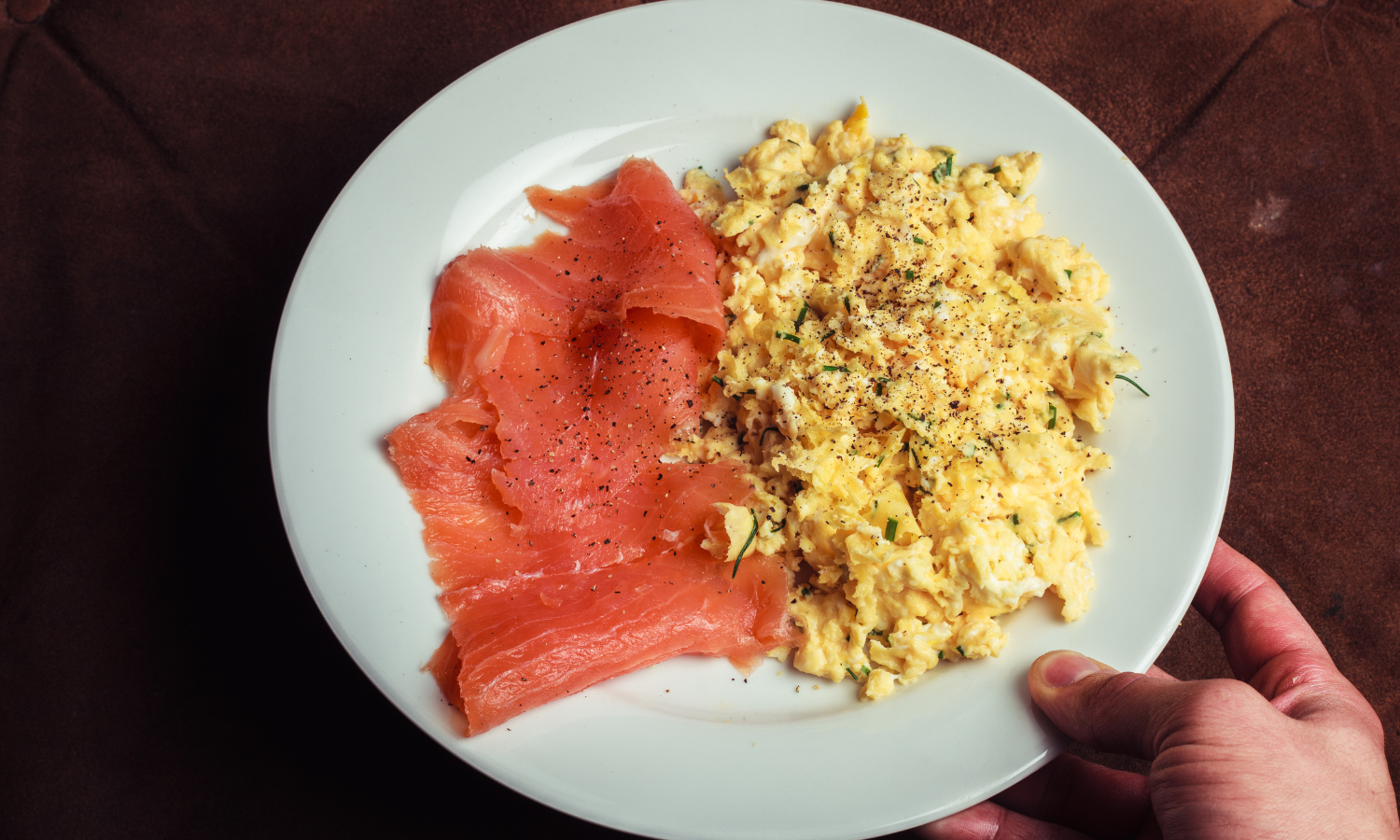
Here is a simple target. Aim for roughly seventy to a hundred grams of protein a day, adjusted for your body size and goals. If that number feels impossible with your appetite the way it is, break it into smaller amounts spread across the day rather than trying to eat a large meal in one sitting. Eggs, ground beef, chicken thighs, salmon, Greek yogurt, cottage cheese. These are dense enough in protein that you do not need much volume to get real numbers in.
I know counting grams is not everyone's idea of a good time. If numbers overwhelm you, the simpler rule is this. Make sure protein is the first thing on your plate at every meal, not an afterthought. Eat it before anything else while your appetite is still there to spend. Think of it as feeding the organ you are trying to protect, not just filling a quota.
Movement matters as much as the fork
The research on reduced activity while on these medications is worth taking seriously. You do not need to become a gym person overnight. Resistance training, even two short sessions a week with just your body weight or a set of dumbbells, sends your muscles a signal to hold on to themselves instead of letting go. Walking helps too, but it is the resistance work that specifically protects lean tissue during weight loss.
If exercise has never been part of your life, start smaller than you think you need to. Bodyweight squats while you brush your teeth. A few minutes with resistance bands in front of the television. The goal is not intensity right now. The goal is consistency, because consistency is what tells your body which organ is worth keeping.
This is not about guilt
I want to say this clearly. If you are on a GLP-1 and you have not been thinking about protein or muscle until this moment, that is completely okay. Nobody hands you a manual when you start one of these medications. Doctors are managing dosing and side effects, and muscle preservation often gets mentioned briefly, if at all. You are not behind. You are just now equipped with information you did not have before.
Whatever brought you to this point, whether it was years of trying everything else first, a doctor's recommendation, or simply wanting your body to feel different, you deserve support, not judgment. My hope for you is not that you follow a particular diet philosophy. My hope is that you finish this chapter of your health journey with a body that is not just smaller, but stronger, with that metabolic organ intact and working for you for years to come.
FAQ
Do all GLP-1 medications cause muscle loss?
Yes, to varying degrees. Semaglutide (Ozempic, Wegovy) and tirzepatide (Mounjaro, Zepbound) have all been associated with some reduction in lean mass during weight loss. The amount varies by individual and depends heavily on protein intake and activity level during treatment.
Is muscle really an organ?
Skeletal muscle is often called the body's largest metabolic organ. It stores glucose, burns energy, and releases compounds that influence inflammation and insulin sensitivity throughout the body, functions that go far beyond simply helping you move.
How much muscle loss is normal?
Some lean mass loss happens with any significant weight loss, medication assisted or not. Research suggests the actual contractile muscle lost is often smaller than headlines suggest, but protein and resistance training still make a measurable difference in how much you keep.
Can I still lose weight if I eat more protein?
Yes. Protein is the most filling macronutrient and will not undo your progress. In fact, adequate protein helps preserve the organ that keeps your metabolism working well long after you reach your goal weight.
Do I need a protein supplement?
Not necessarily. Whole food sources like eggs, meat, and dairy are excellent and often easier on the stomach than shakes, especially with reduced appetite. A supplement can help if you are struggling to hit your numbers through food alone.
References
Endocrine Society. Findings presented at ENDO 2026 Annual Meeting, Chicago, IL, June 2026.
Barbell Medicine. GLP-1 Muscle Loss: Ozempic, Wegovy and Mounjaro Evidence Review. June 2026.
Blau, H. et al. Existing drug enhances muscle repair during GLP-1 weight-loss treatment. Proceedings of the National Academy of Sciences, June 2026.
Medical Disclaimer
This article is for educational purposes only and is not a substitute for medical advice. Speak with your doctor before starting, stopping, or adjusting any medication, and before making significant changes to your diet or exercise routine.
If you want a structured way to build your protein and rebuild your strength, whether you are on a GLP-1 or not, my 30-Day Metabolic Reset walks you through exactly how, one day at a time. And for that first month, you have direct access to me if you have questions along the way. You do not have to figure this out alone.