Heart Surgeon's Carnivore Diet Story: What Changed His Mind
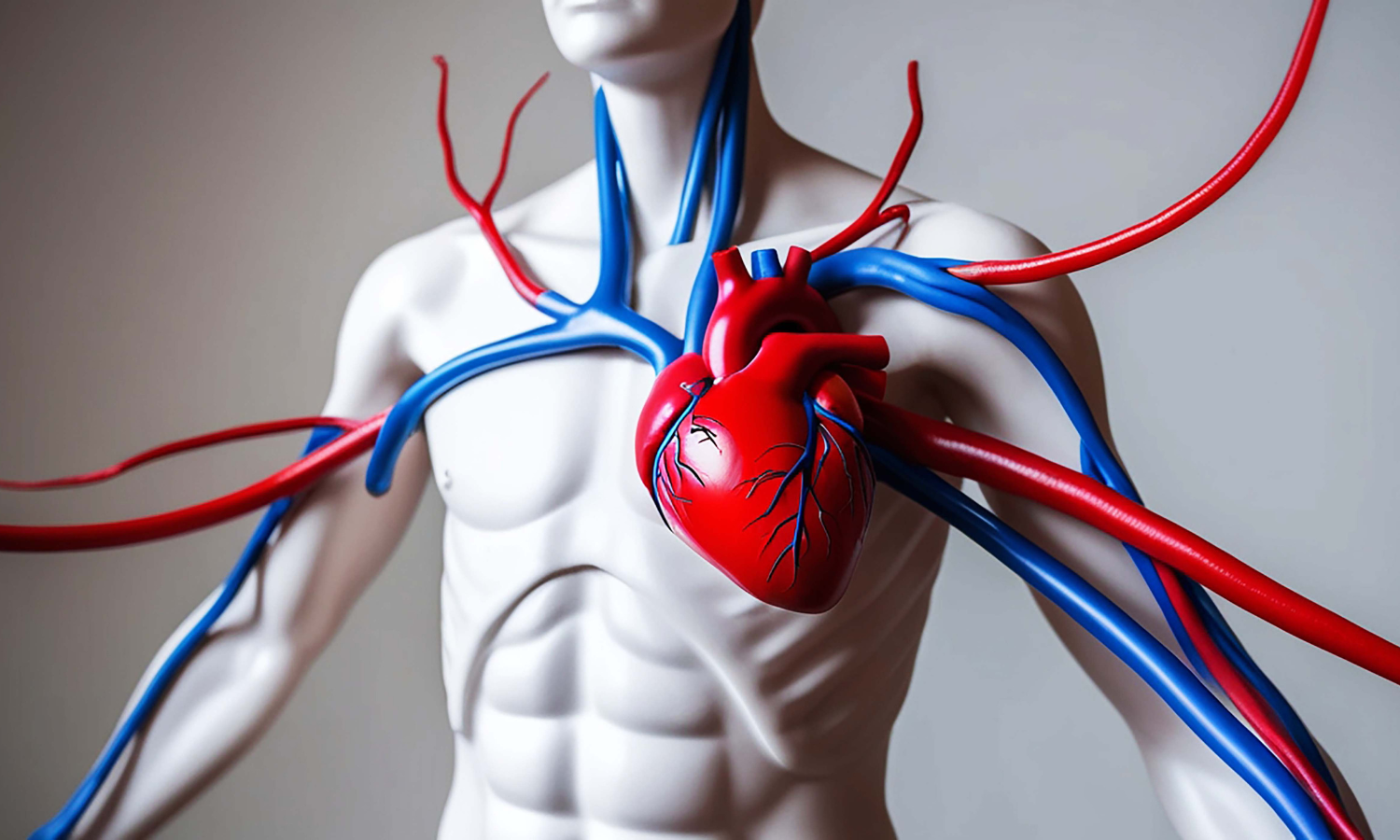
I keep coming back to Dr. Philip Ovadia's story when I write about food and heart disease, because it kills the easiest objection people have to this whole conversation.
He's a board certified cardiac surgeon. Not an influencer. Not someone who read a few articles online and started selling a meal plan. He spent his career cutting open chests and repairing hearts damaged by a disease process he was carrying in his own body the entire time.
From childhood through his forties, Ovadia was obese. He went through medical school obese. He went through residency and years of practicing heart surgery obese, standing over an open chest holding a human heart while his own arteries were likely in no better shape than the ones he was fixing.
I bring this up because it removes an excuse. It's easy to wave off a low carb claim from someone with no medical background. It's a lot harder to wave off the same claim from a man who spent a decade memorizing the anatomy of a diseased heart, then spent years after that figuring out the disease was mostly preventable, and that nobody in his training ever told him so.
Medical School Barely Covers Nutrition
Here's something most patients don't realize. Doctors get almost no training in nutrition.
A survey of medical students published in the Journal of Wellness found they reported an average of just over one hour of formal nutrition education per year, and more than half had never taken a course covering nutrition at all.¹ A separate analysis from the American Society for Nutrition found most US medical schools still fall short of the 25 hour minimum recommended back in 1985, and some schools teach none at all.² A UK study found the same gap, with over half of students reporting fewer than four hours of nutrition training across their entire degree.³
So a surgeon can spend ten years training to bypass a blocked artery down to the millimeter, and never sit through a single class on why the artery blocked in the first place. Ovadia has talked about this openly. His training taught him to manage disease once it landed on his table. Nobody taught him to ask what put it there, and nobody mentioned that his own plate might be doing the exact same thing to him.
The Diet Change That Started It
Around 2015, Ovadia moved away from the low fat, calorie counting advice most of us grew up on and started eating lower carb instead. The weight came off and stayed off. By 2019 he had shifted to a mostly carnivore way of eating and had lost over 100 pounds for good.
The weight loss isn't the interesting part to me. What matters is what it taught him about why he got sick, and why so many of his own patients kept coming back for another bypass or another stent no matter how many times he operated.
He came to believe insulin resistance, not cholesterol or dietary fat, was the real driver behind most of the heart disease he spent his career treating surgically. The research backs this up. A 2024 review in Frontiers in Cardiovascular Medicine called insulin resistance a cardiovascular risk factor that's been underestimated for decades, and estimated it now affects 51 percent of the general population in developed and developing countries.⁴ A study in the American Journal of Preventive Cardiology found insulin resistance raises cardiovascular risk on its own, even after accounting for blood sugar, blood pressure, and cholesterol.⁵ Another study, this one looking at coronary artery disease patients, found insulin resistance tracked directly with how severe the disease was, not just whether someone had it.⁶
You can have a clean cholesterol panel and still be carrying the exact metabolic problem that puts people on an operating table. Ovadia lived that on both ends, as the patient and as the surgeon holding the scalpel.
What Insulin Resistance Actually Does to Your Heart
It helps to know what this term means before you go asking your doctor about it.
Insulin resistance happens when your cells stop responding properly to insulin, the hormone that moves sugar out of your blood and into your cells for energy. Your pancreas compensates by pumping out more and more insulin to force the job done. Over time, that extra insulin circulating in your blood does damage on its own, separate from whatever your blood sugar numbers say.
High insulin levels stiffen artery walls, block the normal function of the blood vessel lining, and drive up inflammation throughout the body. Researchers have connected chronically high insulin to hardened arteries, higher blood pressure, and worse cholesterol particle patterns, even in people whose fasting glucose still reads as normal.⁵ That's part of why Ovadia says he almost never saw a surgery patient with genuinely healthy metabolic markers across the board. The damage builds for years before a standard blood sugar test would ever flag it.
This is why fasting insulin and triglyceride to HDL ratio matter more than most people realize. A normal glucose reading can hide years of an insulin problem quietly working on your arteries in the background.
What Three Thousand Surgeries Taught Him
Ovadia has performed well over 3,000 heart surgeries. That's a career spent watching the same outcome play out, patient after patient, year after year.
He's said he can't recall a heart surgery patient with an optimal triglyceride to HDL ratio and a healthy A1C who was also a non-smoker. Read that twice. The people who actually needed open heart surgery kept showing the same metabolic fingerprint, whether or not their cholesterol looked fine on a standard lab report. That pattern is what pushed him to ask why the healthcare system spends so much energy managing cholesterol and so little energy catching insulin resistance a decade before it turns into a blocked artery.
His own path there started long before he understood any of the research behind it. He tried the usual advice, including calorie counting and structured programs like Weight Watchers, and the weight always came back with extra attached. It wasn't until 2015, well into his surgical career, that lowering carbs and addressing insulin resistance directly finally worked.
Two Practices, One Mission
Ovadia didn't just lose the weight and move on with his career. He rebuilt it around what he'd learned.
He stepped back from a traditional full time surgical role and now works as a locum surgeon, taking short term assignments at hospitals that need extra cardiac surgeons. Alongside that, he runs Ovadia Heart Health, a telehealth practice built entirely around prevention. His team orders advanced bloodwork most primary care visits skip, looking specifically for the markers of insulin resistance years before they'd show up as an official diagnosis.
He's talked about wanting the principles from his prevention focused practice to filter into mainstream cardiac care, and he's been honest about what's in the way. Healthcare pays for treating disease once it shows up, not for catching it early through nutrition and lifestyle change. A surgeon gets paid to operate. Nobody gets paid the same way for keeping a patient off the table in the first place. That's not a conspiracy. It's just how the incentives are built, and Ovadia is one of the few people close enough to that system to say so out loud.
Stay Off My Operating Table
Ovadia wrote his book, Stay Off My Operating Table, around this exact idea. His practice is named the same way, and the goal behind it is blunt: fewer people needing the surgery he built his career performing.
What I appreciate about his approach, especially for anyone reading this who still eats plenty of plants and carbs, is that he doesn't demand everyone eat like he does. His book walks through the tradeoffs of several different eating patterns, including keto, paleo, low carb, gluten free, Mediterranean, and vegetarian or vegan diets. He eats mostly carnivore because that's what worked for his own body and his own labs. He doesn't present it as the only door into better metabolic health, even though it's clearly where his own experience led him.
You don't need to go carnivore tomorrow to take something from this. You need to hear a surgeon who lived inside this disease say, plainly, that the standard advice failed him, and that questioning it changed his life.
Should Every Doctor Be Doing This?
You asked whether doctors should question everything they learned in med school. I think the honest answer is yes, especially around food, because most of them were barely taught anything to begin with. That's not opinion. It's what the data on medical education shows.
That doesn't mean every doctor should throw out their training, or that surgery and medication have no place. Ovadia still operates. He still believes in modern medicine when it's genuinely needed. What he's arguing for, and what I argue for here, is putting food first before the prescription pad whenever that's a real option. Treat the root cause when you can. Reach for surgery and medication when you truly need them, not because nobody ever showed you another path.
If a surgeon who's held thousands of human hearts can look at his own body and admit the standard advice was wrong for him, the rest of us can afford to ask a few questions too.
If You're Not Ready to Overhaul Everything
You don't need to become a surgeon or write a book to take something useful from this. You need to ask the same question Ovadia had to ask himself. Why is this happening in my body, and is the advice I've been given actually addressing the cause, or just managing the symptom.
If you eat mostly plants and carbs right now, that's a fine place to start. Cutting back on refined carbohydrates, adding more protein at each meal, and paying attention to how your body responds to food is a real first step, and it doesn't require perfection overnight. What matters more is asking your doctor to check for insulin resistance directly, through markers like fasting insulin and triglyceride to HDL ratio, instead of waiting for a heart attack to reveal a problem that was building for years.
The system Ovadia describes isn't built to catch that early. You largely have to ask for it yourself.
FAQ
Who is Dr. Philip Ovadia? Philip Ovadia is a board certified cardiac surgeon and founder of Ovadia Heart Health. He was obese for most of his life before switching to a low carb, then mostly carnivore, way of eating and losing over 100 pounds. He wrote Stay Off My Operating Table.
Does Dr. Ovadia say everyone should go carnivore? No. His book covers several different eating patterns and their tradeoffs. He eats mostly carnivore because it worked for his own health, but he doesn't present it as the only path to better metabolic health.
What does Dr. Ovadia believe actually drives heart disease? He points to insulin resistance and poor metabolic health as the real driver behind most of the heart disease he treated as a surgeon, more than dietary fat or cholesterol alone.
Why don't more doctors talk about nutrition with patients? Most medical schools provide only a handful of hours of nutrition education across an entire medical degree, well below the minimum standard recommended decades ago.
References
Duggan MP, Kodali AT, Donaghue JF, et al. Survey of Nutrition Education Among Medical Students. Journal of Wellness.
American Society for Nutrition. A Time for Change: Nutrition Education in Medicine.
Assessing the Nutritional Knowledge Gap: Students' View of UK Medical School Education. PMC.
Fazio S, Mercurio V, Tibullo L, Fazio V, Affuso F. Insulin resistance/hyperinsulinemia: an important cardiovascular risk factor that has long been underestimated. Frontiers in Cardiovascular Medicine. 2024.
Associations between insulin resistance indices and subclinical atherosclerosis: A contemporary review. American Journal of Preventive Cardiology. 2024;18:100676.
Comparison of three non-insulin-based insulin resistance indexes in predicting the presence and severity of coronary artery disease. Frontiers in Cardiovascular Medicine. 2022.
Ovadia P. Stay Off My Operating Table: A Heart Surgeon's Metabolic Health Guide to Lose Weight, Prevent Disease, and Feel Your Best Every Day.
Ovadia P, Means C. Heart surgeon Dr. Philip Ovadia on using data, not medicine, to improve your health. Levels interview.
Stay Off My Operating Table. Society of Metabolic Health Practitioners profile, thesmhp.org.
Ovadia Heart Health and I Fix Hearts, official practice websites.
Medical Disclaimer: This article is for educational purposes only and does not constitute medical advice. Talk to your doctor before making changes to your diet, especially if you have an existing health condition or take medication.