Is Unicity Balance the Same as Metamucil?
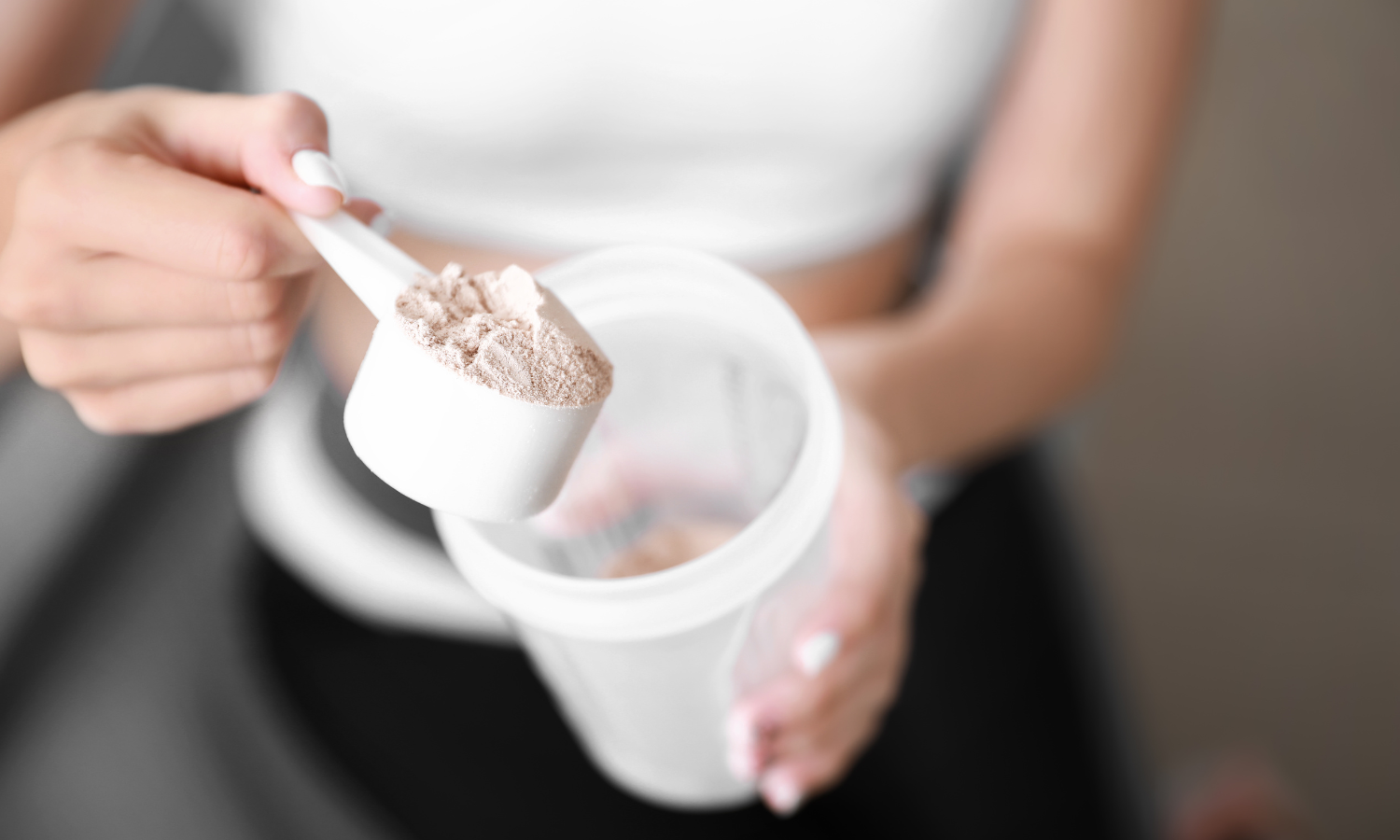
If you've been comparing the two, it's a fair question. Both come as powdered drinks. Both are marketed for digestive health. And both get lumped together in the same category. But Unicity Balance and Metamucil are built around different ingredients, different formulations, and different claims.
The short answer is no, they are not the same. The longer answer is worth understanding before you decide whether either one belongs in your routine.
What Metamucil Actually Is
Metamucil's active ingredient is psyllium husk, a natural fiber derived from the seeds of Plantago ovata. That's essentially what it is. Psyllium husk is a soluble fiber that absorbs water and forms a thick gel as it moves through the digestive tract. This slows digestion, which is why it's associated with regularity, modest cholesterol reduction, and some blood sugar buffering.
It's a single-ingredient fiber supplement. The flavored versions add sweeteners like sucralose and flavorings, but the fiber itself comes from one source.
What Unicity Balance Actually Is
Unicity Balance is a more complex formulation. It contains a proprietary fiber blend called Biosphere Fiber, which draws from multiple sources including guar gum, locust bean gum, citrus pectin, oat fiber, and psyllium husk. On top of that fiber matrix, it includes a Bios Cardio Matrix with phytosterols and policosanol, and a vitamin-mineral complex that includes chromium, calcium, and a range of B vitamins.
So while Metamucil is essentially a fiber supplement, Unicity Balance is positioned as something closer to a metabolic support product. Fiber is its base, but it's built around a much longer ingredient list.
Where They Actually Overlap
Both products contain soluble fiber that forms a gel in the digestive tract. Unicity Balance does include psyllium husk as one of its fiber sources, which is why the two products get compared so often. Both also make claims around blood sugar management and cholesterol support. The mechanism for those claims in both cases is the gel-forming fiber slowing glucose and cholesterol absorption.
That overlap in marketing language is probably why people ask whether they're the same thing. The claims rhyme even if the formulations don't.
Where They Differ
The key difference is complexity and cost. Metamucil is a straightforward, inexpensive fiber supplement. Unicity Balance is a multi-ingredient product sold primarily through a direct sales network at a significantly higher price point. The added ingredients in Unicity Balance, particularly the phytosterols and policosanol, are positioned to justify that price difference.
Whether those added ingredients meaningfully change the outcome is a separate question entirely. You can read a detailed breakdown of both products, including what the research actually shows, in our full comparison here: [Unicity Balance vs Metamucil: The Question Nobody's Asking].
The Question Worth Asking
Both products share a core assumption: that supplementing fiber in your diet produces meaningful health outcomes. That premise is worth examining before you spend money on either one. The fiber supplement industry is largely unregulated, and the gap between marketing claims and peer-reviewed evidence is often wider than the label suggests.
Most digestive symptoms aren't a sign that you need more fiber. They're a signal that something upstream isn't working the way it should. A fiber supplement, regardless of how complex its formulation, doesn't address what's driving those symptoms in the first place. That's a conversation worth having, and one we'll get into soon.
Disclaimer: This article is for informational purposes only and does not constitute medical advice. Always consult a qualified healthcare provider before making changes to your diet or supplement routine.
References:
Gibb RD, McRorie JW Jr, Russell DA, Hasselblad V, D'Alessio DA. Psyllium fiber improves glycemic control proportional to loss of glycemic control: a meta-analysis of data in euglycemic subjects, patients at risk of type 2 diabetes mellitus, and patients being treated for type 2 diabetes mellitus. Am J Clin Nutr. 2015;102(6):1604-1614. https://pubmed.ncbi.nlm.nih.gov/26561625/
Anderson JW, Allgood LD, Lawrence A, et al. Cholesterol-lowering effects of psyllium intake adjunctive to diet therapy in men and women with hypercholesterolemia: meta-analysis of 8 controlled trials. Am J Clin Nutr. 2000;71(2):472-479. https://pubmed.ncbi.nlm.nih.gov/10648260/
Katan MB, Grundy SM, Jones P, Law M, Miettinen T, Paoletti R. Efficacy and safety of plant stanols and sterols in the management of blood cholesterol levels. Mayo Clin Proc. 2003;78(8):965-978. https://pubmed.ncbi.nlm.nih.gov/12911045/
Jenkins DJ, Kendall CW, Vuksan V, et al. Soluble fiber intake at a dose approved by the US Food and Drug Administration for a claim of health benefits: serum lipid risk factors for cardiovascular disease assessed in a randomized controlled crossover trial. Am J Clin Nutr. 2002;75(5):834-839. https://pubmed.ncbi.nlm.nih.gov/11976156/