You Don’t Need Fruit to Get Vitamin C on a Low-Carb Diet
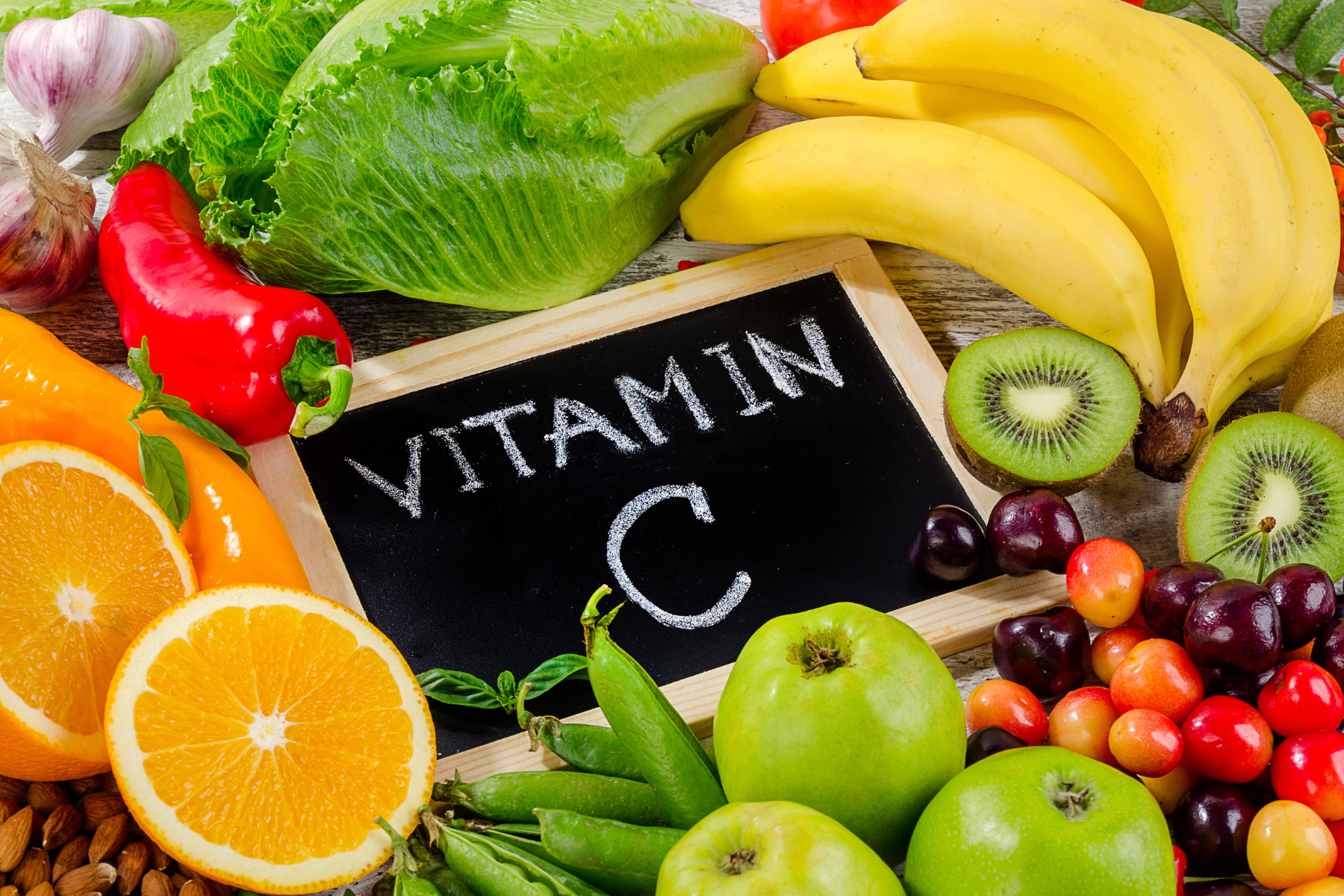
For decades, we were told to eat fruit every day to prevent vitamin C deficiency. The orange became a symbol of health, while meat was dismissed as if it had nothing useful to offer. The science is different. Vitamin C and glucose compete for the same transport pathways into your cells. When blood sugar is high, glucose takes priority and vitamin C cannot enter.
Vitamin C and glucose rely on GLUT1 and GLUT3 transporters to move into cells. When sugar stays elevated, it fills those transporters and limits vitamin C uptake. This happens even when vitamin C intake is high. The real issue is not how much you eat, but how much your cells can use. When you remove sugar and lower carbohydrates, vitamin C no longer has to compete. Small amounts reach cells easily. This is why low carb and carnivore eaters, with steady blood glucose and insulin, rarely develop deficiencies.
Fresh meat, fish, and organ meats provide modest yet highly usable vitamin C. These foods are often dismissed, but they supply enough when glucose is not blocking absorption. History confirms this. Northern cultures such as the Inuit lived on animal foods without fruit or vegetables and showed almost no cases of scurvy. Their diets, rich in fresh meat, supported their vitamin C needs.
The confusion comes from believing everyone needs the same amount of vitamin C. Your requirement shifts with your sugar intake. When sugar is high, glucose competes with vitamin C inside the cell. Glucose enters first, and vitamin C is pushed aside.
Vitamin C acts as an antioxidant. It protects your cells from oxidative stress. Sugar increases that stress. The more sugar you eat, the more repair work your body must manage, and the more vitamin C you need to support that repair. This creates a cycle. You eat sugar. Oxidative stress rises. Your body demands more vitamin C. Meanwhile, glucose blocks vitamin C from entering the cell. Even if you eat a lot of fruit, much of the vitamin C never reaches where it is needed.
When you lower sugar and shift to a low-carb or animal focused way of eating, the entire system changes. Glucose no longer crowds out vitamin C. Oxidative stress falls. Vitamin C enters cells easily. Your body uses it more efficiently and your requirement naturally drops. This is why low-carb eaters do not need large amounts of vitamin C. They remove the very thing that increases the need for it.
Fruit is not the clean source of vitamin C many believe it to be. Fruit contains some nutrients, but it also delivers fructose. Fructose behaves differently from glucose. Nearly every cell uses glucose. Fructose is processed almost entirely by the liver, just like alcohol.
Once fructose reaches the liver, it is converted into triglycerides through de novo lipogenesis. Over time, this increases liver fat and contributes to fatty liver disease. Fructose also raises uric acid, which affects inflammation, blood pressure, and insulin response.
Fructose does not activate the signals that support satiety. It does not guide appetite the way protein and fat do. A fruit smoothie leaves you hungry soon after and encourages more eating throughout the day. Repeating that pattern places stress on the liver and supports the path toward insulin resistance.
If you are working to improve metabolic health, manage weight, or lower inflammation, relying on fruit for vitamin C creates problems. You add fructose stress when you could meet your needs with low-carb, nutrient dense foods that support healing instead of slowing it.
Avoiding fruit does not place you at risk for scurvy. It allows vitamin C to reach your cells without competition. When you eat beef, eggs, fish, and liver, your body receives what it needs to support collagen, immune strength, and tissue repair.
Low-carb eating also improves vitamin C recycling. The body restores vitamin C through glutathione. Lower oxidative stress, steady glucose, and stable insulin help preserve vitamin C. Each milligram works longer and more effectively.
If you are considering lowering carbs and worry about losing vitamin C, you can let this physiology reassure you. You are not depriving your body. You are helping it to function the way it was designed to work. When glucose stays steady, energy rises, inflammation falls, and your nutrient needs shift in a positive direction. A low-carb or animal based approach supports everything your body requires without the fructose load or the fear of deficiency.
Your body is built to adapt when fed real food. Trust that design. Keep your nutrition simple. Health depends on real nutrients, not fruit.
Disclaimer: The content shared here is for informational and educational purposes only and should never be taken as medical advice.
In writing this blog post, my goal is to distill research findings into a clear, approachable format that encourages critical thinking and empowers you to make informed decisions about your health.