Resistance Training and Nutrition for Women: A Simple Path to Aging Stronger
Aging well takes intention. Many women reach their forties and fifties and notice a slow loss of strength. You feel less steady on your feet. You avoid certain movements because you fear a fall. You hear about bone density, and you start thinking about your long term independence.
When I turned fifty, I noticed something small that felt important. I couldn’t turn my head fully to the side without moving my whole upper body. I kept seeing older people do the same thing, and I took that as a warning. It pushed me to look into why my mobility was changing and what steps I needed to take to stay strong. Aging gives you early signs, and when you pay attention, you have more room to rebuild your health.
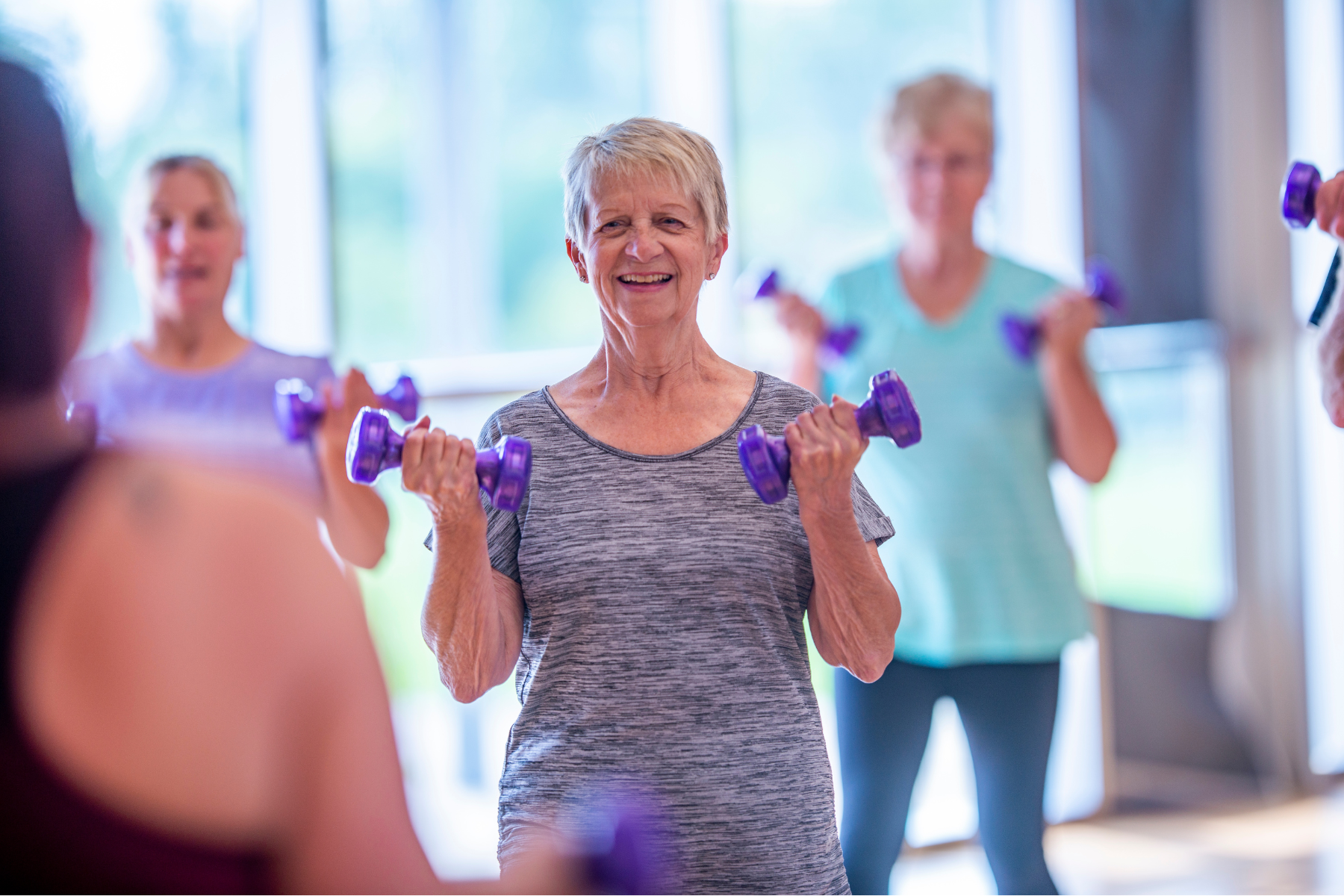
Women lose muscle faster after the age of forty. Hormonal shifts change how your body rebuilds tissue. If you do nothing, the decline continues. If you train your muscles and feed them well, you slow that decline and often reverse it. Strength training protects your mobility and reduces your fracture risk. I am not a gym person and never have been. I keep weights in my bedroom and use them every day. I do simple repetitions, squats, and lunges because they fit my life and they work. You do not need heavy gym equipment. You need movements that challenge your muscles. Squats, lunges, pushups against a counter, rows with dumbbells, and slow controlled movements help you build strength in a safe way. Even two or three sessions each week make a real difference.
Your balance improves when your muscles get stronger. Weak legs create instability. Strong legs keep you centered and secure as you move through daily life. When your hips, core, and legs are trained, you feel more sure of your footing. Your chance of falling goes down because your muscles help you react faster. Grip strength matters too because it reflects your overall stability. Light dumbbells or resistance bands help you work the smaller muscles that support joints and posture.
Nutrition shapes muscle health as much as your workouts. I tell everyone two things, you cannot out exercise a poor diet, and two, focus on increasing protein in your diet. Your need for protein increases with age and meeting those needs serves your strength, balance, and long term health. Many women do not eat enough protein. It provides the raw material muscles need to stay strong. Low intake will lead to muscle loss even when workouts feel consistent. Choose a good protein source at each meal like eggs, beef, chicken, pork, fish, and cottage cheese which supply the amino acids needed for repair and for growth. Many women feel stronger and more stable when meals include high protein foods that steady blood sugar.
Healthy fats support hormones that protect your bones. Do not fear fat. I understand the hesitation because I felt that same fear years ago, but real fat supports hormone balance and helps you feel full and calm. Butter, eggs, tallow, beef, sardines, and olive oil support your body in ways low fat meals never will. When your hormones feel nourished, your metabolism steadies and your strength improves.
Calcium and magnesium support bone strength, but the biggest shift comes when you lower inflammation. When you lower carbs and remove sugar, your insulin steadies and your joints feel better. Your body can focus on rebuilding rather than fighting inflammation. Many women notice fewer aches and faster recovery when they shift toward real food and away from processed meals.
Hydration and electrolytes help your training feel smoother. Low electrolytes create weakness, dizziness, and poor focus. LMNT or mineral drops support muscle contractions and recovery. A pinch of salt in water brings back steady energy.
Aging strong is not about perfection. It is about consistency. You want reliable meals, steady protein, and simple workouts that you repeat each week. You want enough sleep, sunlight, and recovery. When you train your muscles and feed them well, you reduce your fracture risk and protect your independence. You move with more confidence. You support your brain, your balance, and your long term health.
If you want guidance, my Keto Lifestyle book helps you build simple habits that protect your muscle and bone health. It walks you through lowering carbs, eating high protein meals, and stabilizing your energy, so your workouts feel easier. You get recipes, food lists, and daily tracking pages that help you stay consistent and build a lifestyle that supports you as you age.
Disclaimer: The content shared here is for informational and educational purposes only and should never be taken as medical advice.
In writing this blog post, my goal is to distill research findings into a clear, approachable format that encourages critical thinking and empowers you to make informed decisions about your health.