One Sweet Potato Does Not Give You 400% of Your Vitamin A. Here Is the Full Story.
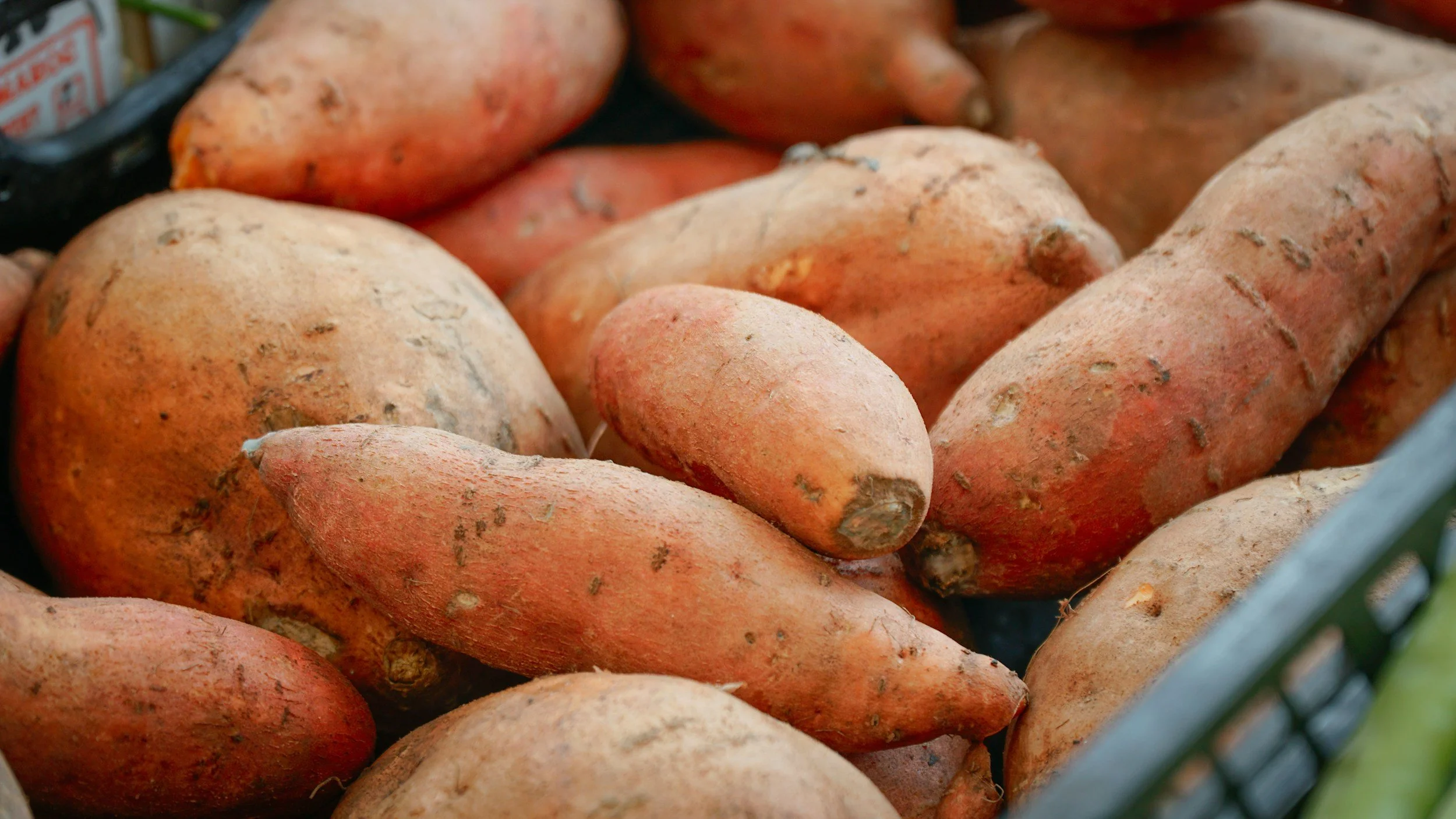
I hear this one all the time. Especially from vegetarians, who are often surprised to learn that I eat almost no vegetables and no fruit at all. The conversation often circles back to sweet potatoes and the claim on many nutrition websites: one baked sweet potato gives your body 400% of the vitamins it needs for healthy eyes and skin.
It is a number worth questioning.
The Label Measures What Is in the Food, Not What You Absorb
Nutrition labels measure the content of food. They do not measure how much of it your body can actually absorb and use. Those are two entirely different numbers, and confusing them is where this conversation goes wrong every time.
The 400% figure is grounded in the beta-carotene content of the sweet potato as measured in a lab. What happens after you eat it is a separate question altogether, and the answer is far less impressive.
Sweet Potatoes Do Not Contain Vitamin A
This surprises most people. Sweet potatoes contain beta-carotene, a plant pigment. Your body has to convert beta-carotene into actual vitamin A, called retinol, before it becomes usable. The vitamin A your eyes and skin depend on is retinol. Beta-carotene is a starting material, and the conversion has to happen inside your body. It is neither automatic nor efficient.
Research published in the American Journal of Clinical Nutrition puts the conversion ratio for sweet potato beta-carotene at 13 to 1 by weight. Your body needs 13 grams of beta-carotene to produce 1 gram of usable vitamin A. Before any other variable enters the picture, the 400% figure has already dropped sharply.
Fat Is Required. The Label Does Not Mention This.
Beta-carotene is fat-soluble. It needs dietary fat present in the same meal to be absorbed through the intestinal wall. Without fat, absorption drops significantly. Most people eating sweet potatoes as a health food are not pairing them with meaningful amounts of fat, which means a large portion of the beta-carotene passes through without being absorbed at all.
Even with fat present, research shows absorption of beta-carotene from plant sources ranges from 5% to 65% depending on the individual. The same food, eaten by two different people in the same meal, produces dramatically different amounts of absorbed beta-carotene. The label does not account for this significant range.
Your Genes Determine the Conversion
Once beta-carotene is absorbed, it still requires conversion. The BCMO1 enzyme handles this step. Research shows approximately 45% of people carry a genetic variant reducing BCMO1 efficiency by 32% to 69%. Nearly half the population converts plant-based beta-carotene poorly. There is no way to know from a nutrition label which group you fall into.
The Conversion Process Competes with Other Nutrients
There is another layer worth understanding. The BCMO1 pathway used to convert beta-carotene is the same pathway used by other carotenoids in your diet. When your body processes large amounts of beta-carotene, the pathway is occupied. Research suggests this suppresses the absorption and metabolism of other carotenoids, including lutein and lycopene. You are trading potential access to one nutrient for reduced access to others.
We Are Only Given Part of the Truth
"One baked sweet potato gives you 400% of your daily vitamin A" is a statement grounded in the food's beta-carotene content. It is not wrong. It is incomplete. And that distinction is where I believe people are genuinely misled.
Most of us read a claim like this and accept it without a second thought. It comes from a nutrition label, a government database, or a registered dietitian's website. It sounds precise. It sounds scientific. So we move on, confident we are making a smart choice, never knowing we walked away with only half the information we needed to make it.
No one questions statements like this. No one asks what happens to the beta-carotene after it enters the body, whether the conversion is guaranteed, or what percentage of the population absorbs it efficiently. The number 400% does the work. It sounds like more than enough, so the conversation ends there.
This is a problem. Not because the number is fabricated, but because an incomplete truth functions the same way as misinformation. It shapes decisions. It shapes what people eat, what they believe they are getting, and what they never think to look for somewhere else.
The full picture requires perfect conversion, optimal absorption, adequate fat in the same meal, and favorable genetics. For a significant portion of the population, none of those conditions hold.
Animal-sourced retinol from liver, egg yolks, and full-fat dairy requires none of this. It arrives as preformed vitamin A, ready for direct use. No conversion step. No genetic variable. No conditions.
Plants hold the potential for nutrients. Animal foods deliver the nutrients themselves. Understanding the difference is how you move from reading a label to actually feeding your body what it needs.
Disclaimer: The information in this article is for educational purposes only and is not intended as medical advice. Always consult with a qualified healthcare provider before making changes to your diet.
References:
Tanumihardjo SA. "The challenge to reach nutritional adequacy for vitamin A: beta-carotene bioavailability and conversion, evidence in humans." Am J Clin Nutr. 2012;96(5):1193S-1203S.
Burri BJ. "Evaluating Sweet Potato as an Intervention Food to Prevent Vitamin A Deficiency." Comprehensive Reviews in Food Science and Food Safety. 2011;10:118-130.
Lietz G, et al. "Single nucleotide polymorphisms upstream from the beta-carotene 15,15'-monoxygenase gene influence provitamin A conversion efficiency in female volunteers." J Nutr. 2012.